October 9, 2026
In the world of architecture, certain elements transcend their functional roles to become timeless symbols that endure through eras. Architectural accents such as stone carvings, wrought iron, timber, terracotta, stained glass, and metal accents offer both aesthetic beauty and a testament to human craftsmanship. Over the years, these details have often outlived the structures they were a part of, standing as historical markers and sources of artistic inspiration across locations like Woburn, MA. Their resilience is not merely due to their intrinsic material properties; it is also a reflection of the meticulous techniques employed in their creation and preservation efforts across generations. Exploring the history and significance of these features helps us appreciate the dedication and skill required to create objects designed to endure the passage of time.
Capitalize on the Historical Significance of Stone Carvings
Stone carvings have been integral to architectural masterpieces from the earliest days of human civilization. Ancient cultures, such as the Egyptians, Greeks, and Romans, used stone to immortalize their achievements and deities, crafting pieces that have continued to survive the tests of time. Not merely decorative, these carvings often had religious or political significance, meant to convey power, spirituality, and the human experience. Throughout history, stone carving has been an evolving art form, preserving the narratives and cultural ethos of the civilization that produced them. The prominence of stone carvings in historical architecture underscores their role as both functional art and an indelible link to the past.
Master the Techniques in Stone Carving Through the Ages
From rudimentary stone tools to advanced machinery, the methods of stone carving have evolved significantly. In ancient times, artisans relied on hammers and chisels to painstakingly transform stone into artistic masterpieces. This craft required not only technical skill but also artistic vision to bring the artist's imagination to life. As technology progressed, new tools such as diamond-tipped saws and pneumatic hammers allowed for greater precision and detail, expanding the capability for creative expression. Despite these technological advances, many artisans still value traditional hand-carving techniques for their tactile connection to the material and the precision they offer.
Explore Iconic Examples of Stone Carvings
Some of the world's most iconic stone carvings continue to captivate with their timeless beauty and enduring legacy. The intricate sculptures of the Parthenon in Athens highlight the Greek mastery of harmonizing form and detail. Similarly, the ancient bas-reliefs of Angkor Wat in Cambodia tell stories of mythology and history, intricately carved with such precision that their magnificence has not faded over centuries. Another exemplary instance is the Sphinx of Giza in Egypt, a powerful symbol of ancient ingenuity and cultural pride. These carvings, scattered across the world, serve not only as artistic endeavors but as cultural touchstones that continue to enlighten and inspire generations.
Implement Preservation Efforts for Stone Carvings
The longevity of stone carvings requires deliberate efforts in preservation to combat environmental and man-made threats. Conservationists employ various techniques to protect these artifacts from factors like pollution, weathering, and biological growth. Essential to these efforts is the understanding that each piece is not only an artistic treasure but also a valuable historical document. Advances in technology, such as laser cleaning and climate control within structures housing these works, help maintain the carvings' integrity. Through careful monitoring and upkeep, specialists ensure that these stone carvings continue to enrich our cultural landscape.
Trace the Evolution of Wrought Ironwork
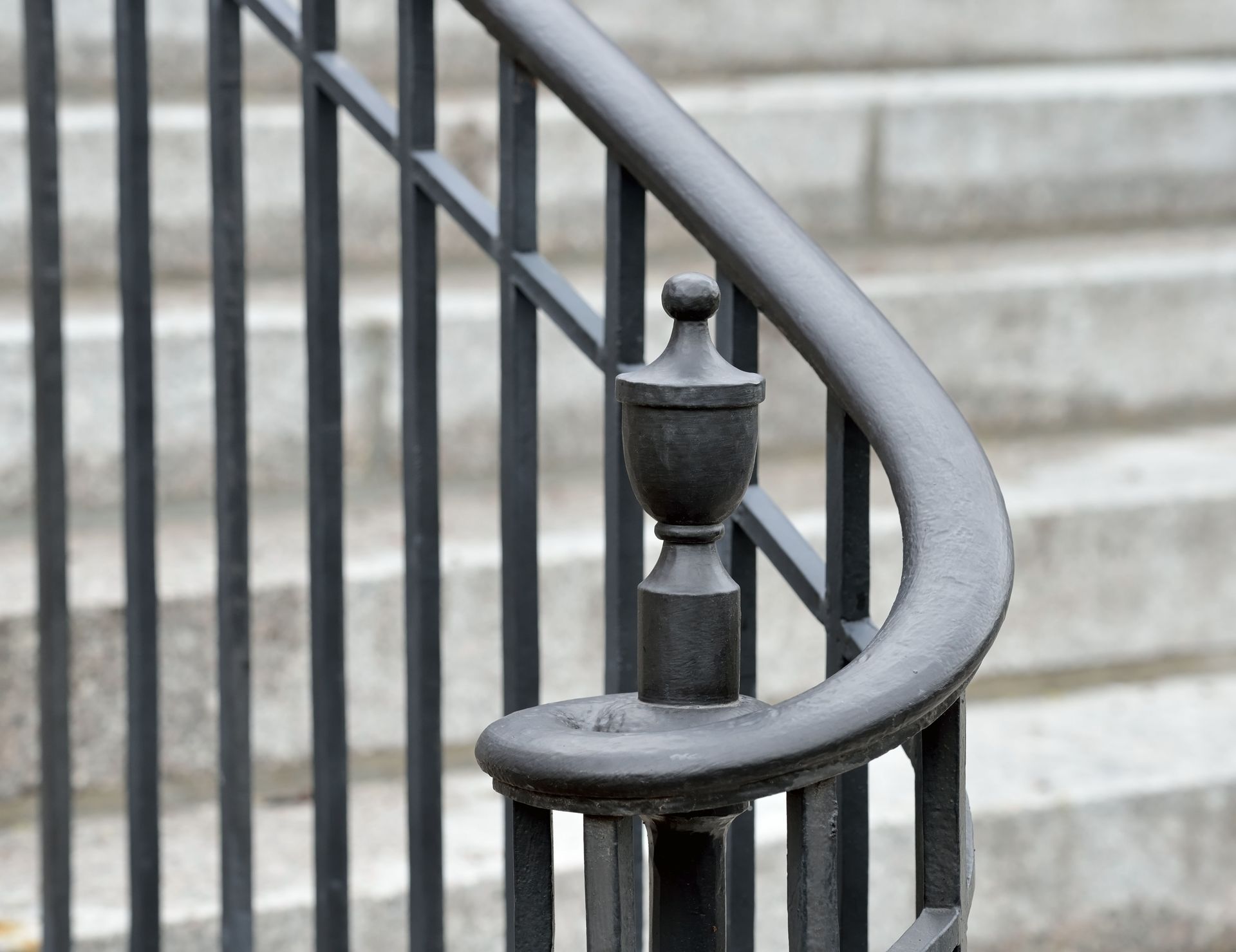
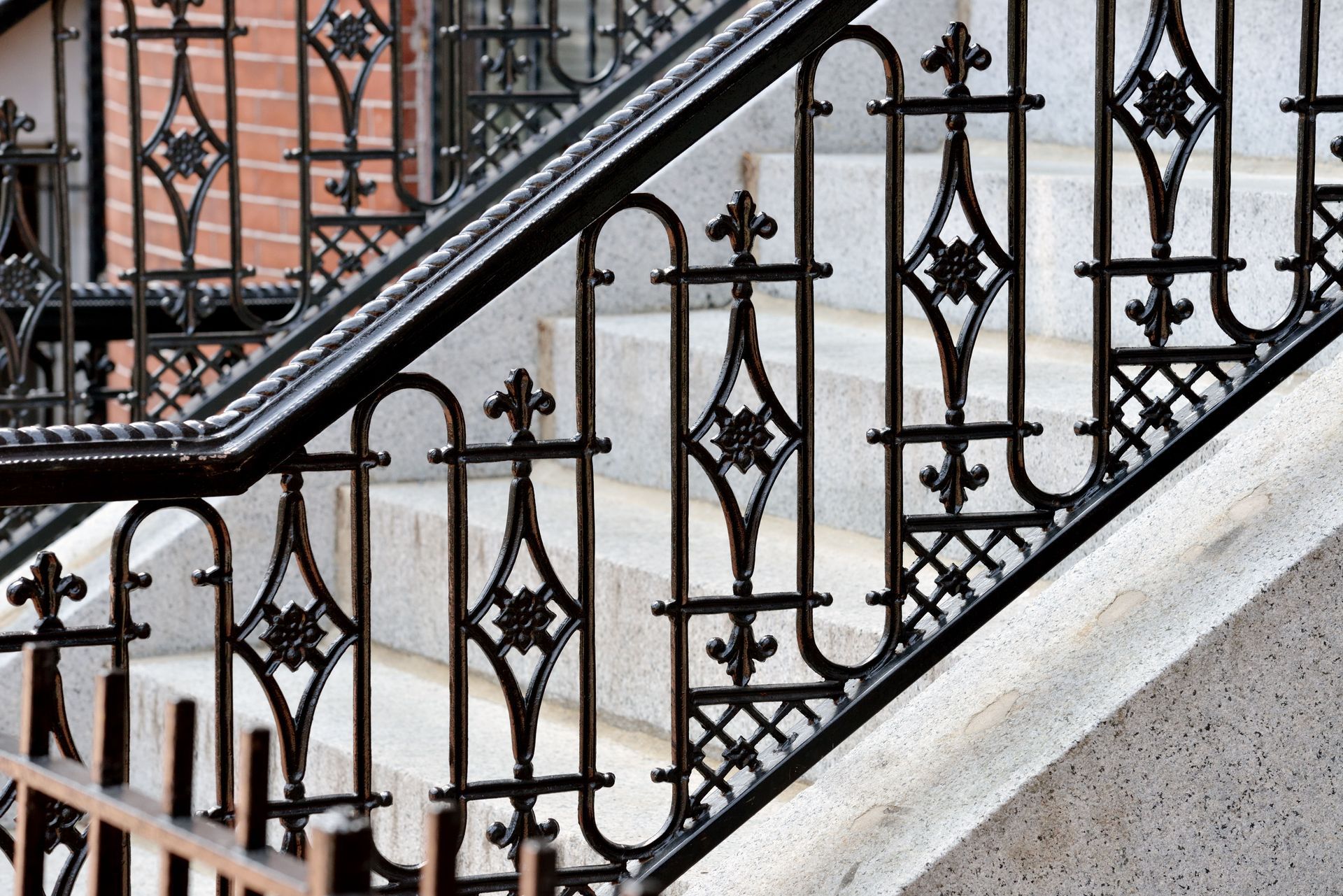
Wrought ironwork, distinguished by its malleability and strength, has adorned architectural marvels for centuries. Its use dates back to the Iron Age, but it gained prominence during the Gothic period, where it was often intricately crafted for cathedrals and public buildings. Structural ironwork began evolving with the advent of the Industrial Revolution, bringing more artistic possibilities and mass production. Despite technological advances, the appeal of hand-forged wrought iron continues to captivate, often being admired for its unique patina and craftsmanship. Today, professional metal railing fabricators continue this tradition, creating structural ironwork that synthesizes durability and artistic legacy to bridge function and form beautifully.
Integrate Wrought Iron into Various Architectural Styles
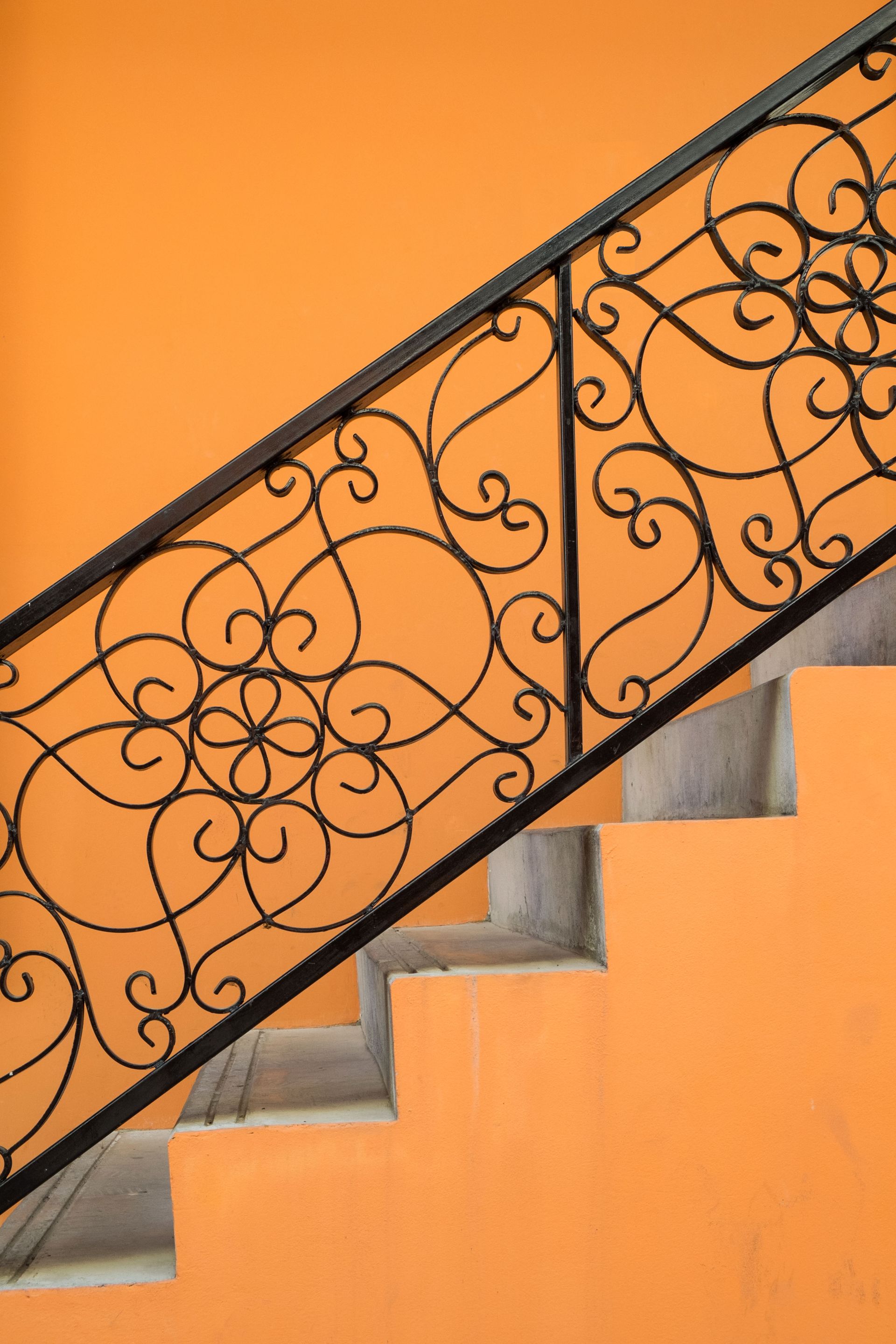
Wrought iron's versatility allows it to complement a wide range of architectural styles, from classic to contemporary. Whether embodying the ornate details of Victorian-era homes or the sleek lines of modern minimalist designs, wrought iron adds a layer of sophistication and resilience. Often used in railings, gates, and balcony grilles, it provides a sturdy barrier while simultaneously acting as a decorative piece. Experienced metal railing fabricators regularly craft these elements to enhance both residential and commercial spaces. Their refined adaptability ensures that wrought iron elements remain in high demand across varying design philosophies and architectural periods.
Discover Notable Wrought Iron Features Worldwide
There are numerous examples of masterful wrought iron features around the world, showcasing the material's global appeal and varied application. The swirling ironwork embellishing the balconies of New Orleans' French Quarter highlights the cultural significance and intricate artistry wrought iron can convey. Skilled metal railing fabricators often draw inspiration from these historical installations when designing modern projects. In contrast, the clean, geometric lines of the iron frameworks at the Eiffel Tower demonstrate its functional prowess while enhancing structural beauty. The ornamental gates of the Palace of Versailles further exemplify its capacity to communicate opulence and grandeur, standing the test of time both physically and aesthetically.
Maintain and Preserve Wrought Iron
Ensuring the longevity of wrought iron accents involves regular maintenance to prevent rust and corrosion. Routine inspections and cleaning are necessary to remove dirt and moisture, the primary culprits in wrought iron degradation. Professional metal railing fabricators recommend protective coatings, such as paint or sealant, to serve as barriers against environmental elements while enhancing the metal's natural beauty. For outdoor features exposed to the elements, routine amendments can mitigate damage over long periods. Through these preservation practices, wrought iron continues to stand strong, reflecting the artistry and craftsmanship of those who shaped it into enduring works of art.
Drive Innovations in Wrought Iron Design
Modern innovations have brought a new dimension to wrought iron design, blending tradition with cutting-edge techniques. Dedicated metal railing fabricators are experimenting with laser-cut patterns and new forms, pushing the boundaries of what wrought iron can achieve. These advancements have allowed for lightweight variations and creative shapes that were previously unattainable with traditional methods. Experimentation with finishes, such as powder coating and custom color applications, enables architects to tailor wrought iron elements to thematic decor. Through these innovations, wrought iron maintains its status as a timeless and adaptable material in the built environment.
Employ Crafting Techniques for Metal Accents
Crafting copper and brass accents involves specialized techniques that sculpt the metals into functional and decorative forms. Traditional methods include casting, forging, and chasing, where artisans shape metals with precision tools and intricate designs. Today's innovations incorporate machine-cutting and digital forming, offering broader creative freedom and complexity in metal forms. Expert metal railing fabricators often combine these traditional methods with contemporary machinery to execute complex architectural visions seamlessly. Despite modern advancements, handcrafting and patination remain celebrated processes that highlight the material's natural beauty, providing structural durability alongside sophisticated aesthetic finishes.
Integrate Custom Metal Fabrications in Today's Built Environment
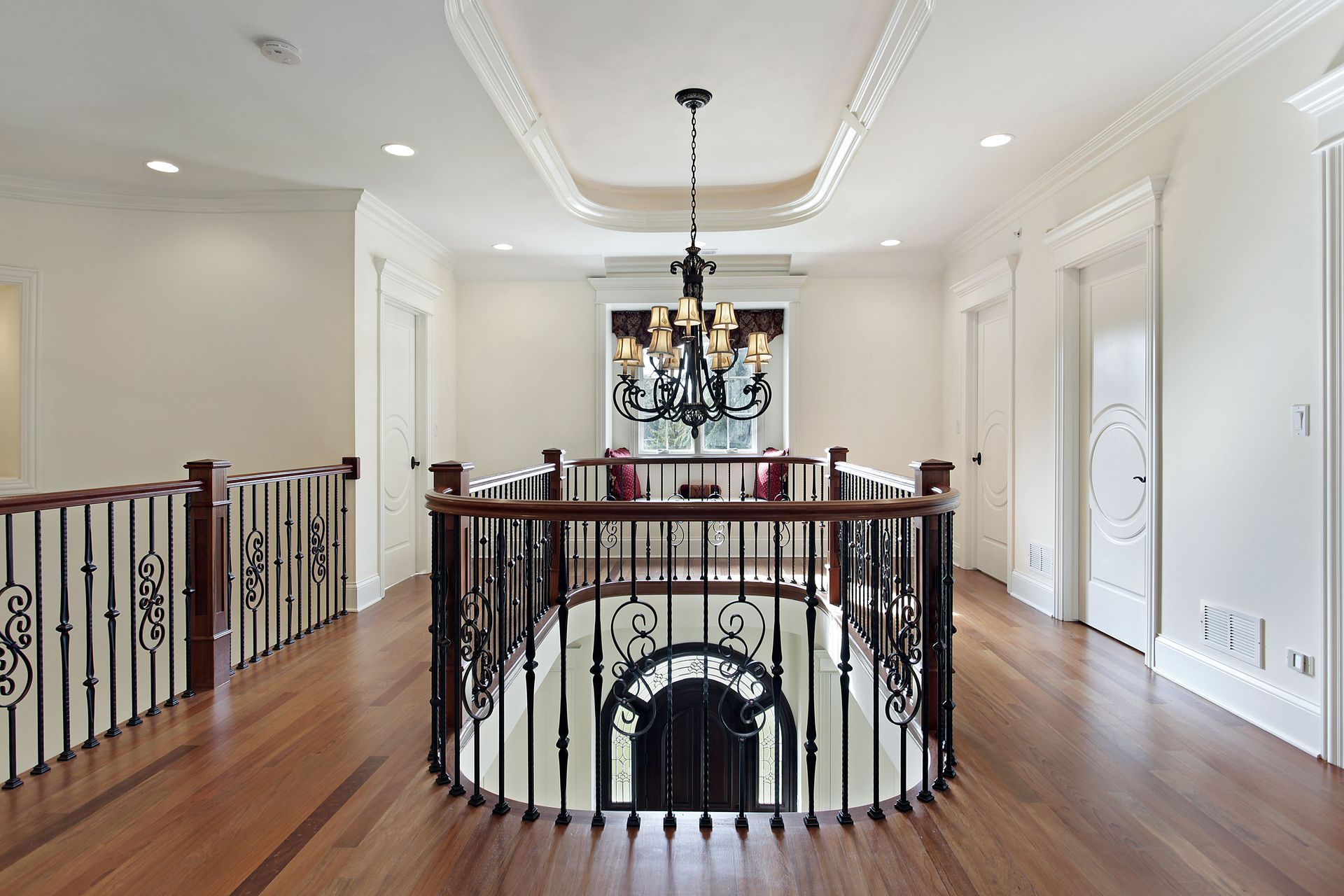
Custom metal elements bring unmatched strength and elevated style to modern structural designs across both commercial and residential projects. From custom metal fabrication, welding services, and decorative metal grilles to ADA handicap railings, these architectural components fulfill vital safety and aesthetic functions simultaneously. Homeowners and commercial builders frequently install metal railings and staircases, spiral staircases, stainless steel railings, metal canopies, metal gates, metal balustrades, and expansive balconies and decks to elevate visual framing. Experienced metal railing fabricators deliver these specialized structural solutions, guaranteeing that each custom piece delivers long-lasting structural strength, refined artistry, and compliance with modern safety guidelines.
According to Home Advisor, iron safety rails retain their prime condition for 100 years or longer, making custom metalwork an unbeatable architectural investment for any property owner. Whether you require structural ADA accessibility solutions, architectural metal canopies, custom metal gates, or exquisite spiral staircases, working with master fabricators guarantees lasting results. The team at Evolution Iron Works Inc provides expert custom metal fabrication and precision welding services tailored to your exact specifications. Contact Evolution Iron Works Inc today to bring timeless metal craftsmanship to your next architectural project.